Restaurant & Café Tips
Restaurant Tableware Essentials: What to Stock and Why
By GALA Ceramics Team · · Updated 25 November 2026
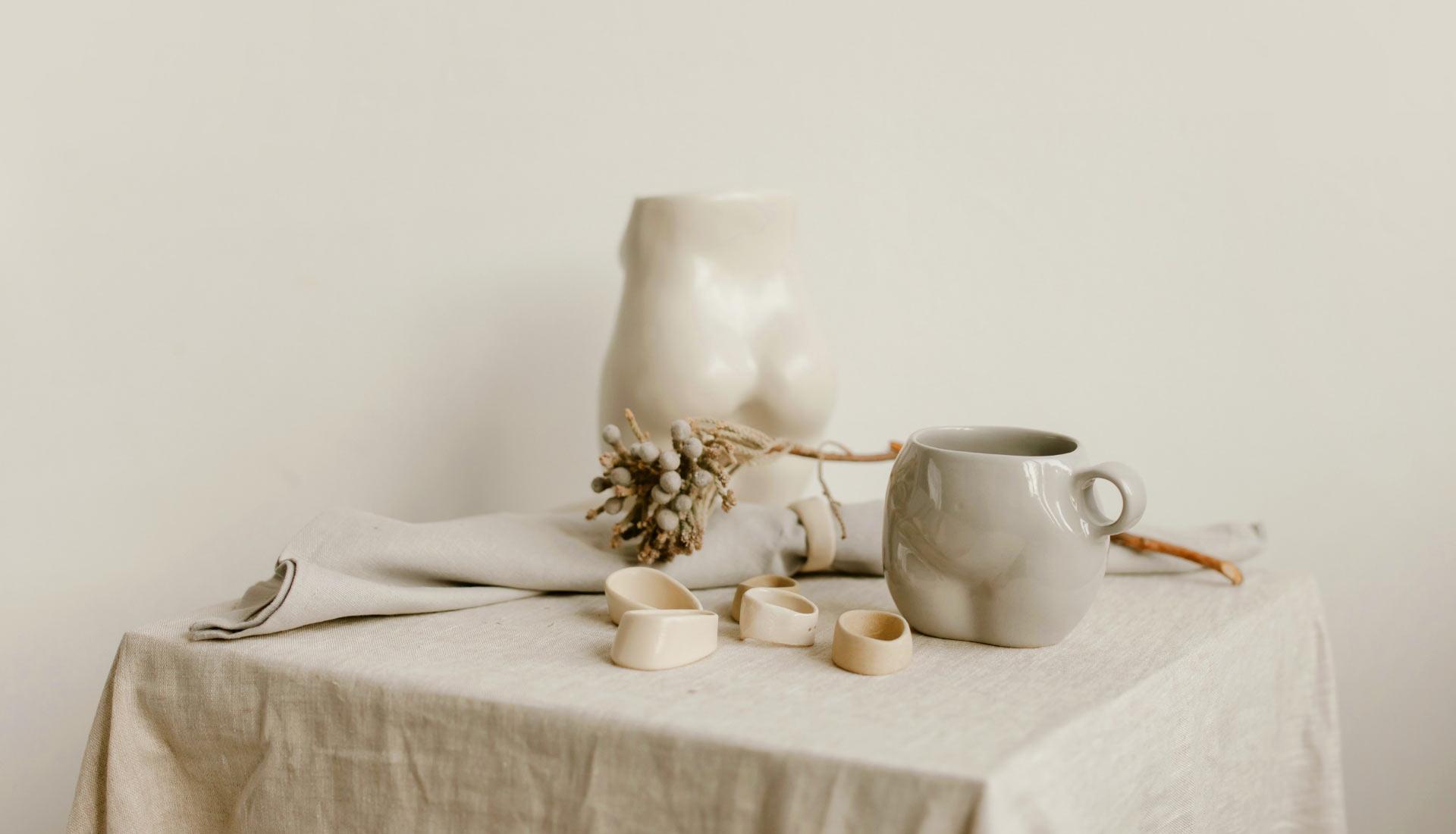
Restaurant tableware is more than plates. A clear rundown of what to stock, what to leave for later and the mistakes to avoid.
When people talk about restaurant tableware they often mean plates. But a working restaurant relies on a much wider cast of ceramic and other pieces. This guide sets out the essentials, so you can stock the shelves with confidence and avoid expensive surprises.
What counts as restaurant tableware?
The term covers everything guests eat and drink from, plus the pieces that carry food to the table. That includes plates, bowls, cups, glassware, cutlery and serving items. This article focuses on the ceramic side, where choices have the biggest effect on how a dish looks.
The must-haves
Plates
- Dinner plates in your core size.
- Side plates for bread, starters and desserts.
- One or two specialist shapes if your menu needs them.
Bowls
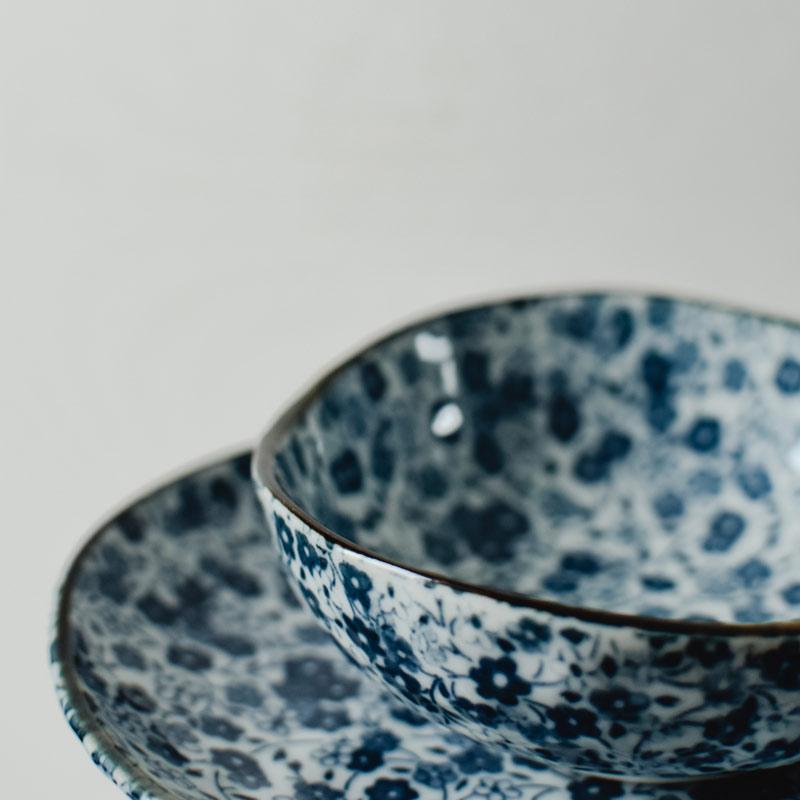
- Wide, shallow bowls for pasta and soup.
- Small bowls for sides, desserts and sauces.
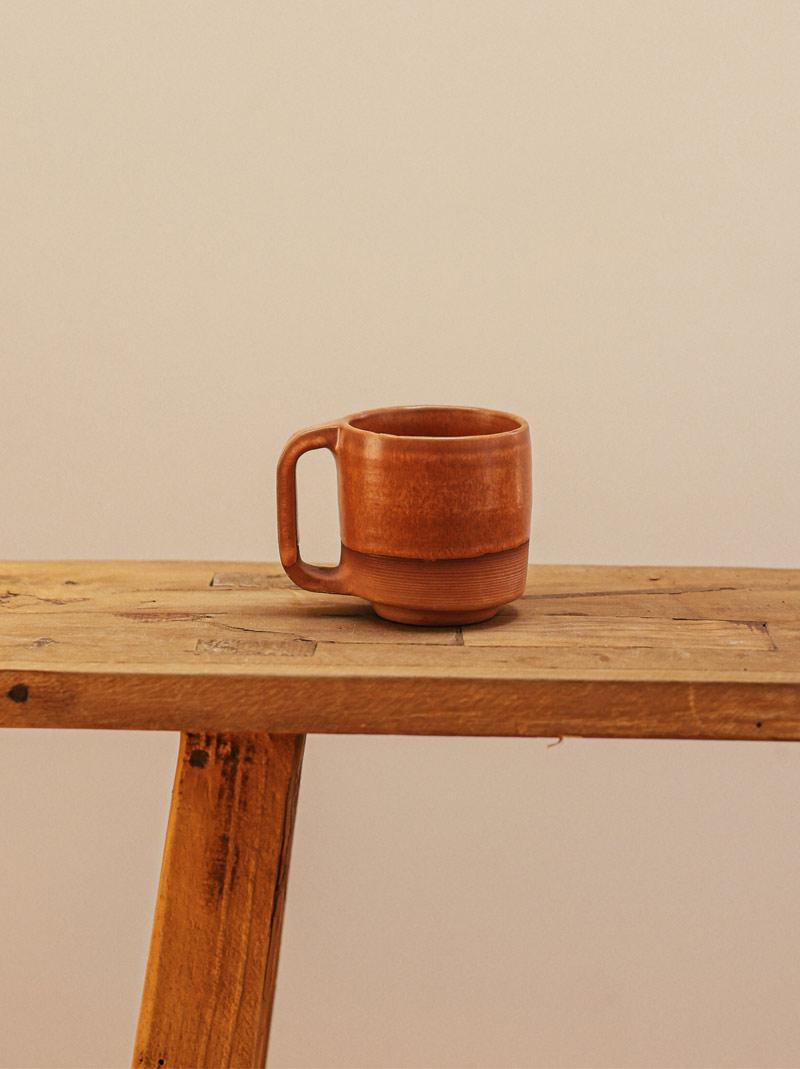
Cups, mugs and saucers
- Coffee and tea service.
- Espresso cups if you serve them.
Serving pieces
- Platters, sharing dishes and gravy jugs.
- Ramekins and small dishes for sauces and butter.
Nice-to-have extras
- Charger plates for formal tables.
- Specialist dishes, such as oval fish plates or tapas dishes.
- Decorative centrepieces and bread baskets in a matching style.
Choosing materials
Your concept should guide the material. Read bone china, porcelain or stoneware for a comparison. Whatever you choose, ask whether the range is intended for commercial use and how it should be cleaned.
Quantities
As a loose starting point, hold two to three times your seat count in core plates, and add around ten percent for spares. Then adjust for your wash speed and menu. Our restaurant dinnerware checklist has an item-by-item breakdown.
Common mistakes
- Buying plates before knowing the menu. Start with your dishes.
- Ignoring storage and dishwashing. Check sizes against racks and shelves.
- Skipping samples. Test with real food and real lighting.
- Forgetting spares and reorders. Plan for breakage from day one.
- Choosing on price alone. Consider cost over time.
Consider customisation
If you want a signature table, think about custom plates from the beginning. It affects timelines and quantities.
Plan for growth
If you may open another site or expand your menu, choose a range that you can buy again. A consistent family of tableware makes growth easier. See buying restaurant plates in bulk.
Seasonal and event extras
Once your core set is in place, consider a few extras that earn their keep. Festive plates or accent colours can refresh a menu without replacing everything. Large platters help with catering and sharing menus. Small tasting dishes allow you to offer flights, samplers or amuse-bouches. Add these slowly, based on what your guests actually order.
Organising your stock
- Label shelves by item and size.
- Keep spares separate from everyday stock.
- Count items regularly so you notice shortages early.
- Record what you order and when, to simplify reorders.
Training staff
Good tableware lasts longer when everyone handles it consistently. Show new team members how to stack plates, how high to stack and how to carry several pieces safely. Remind them to report chips straight away, because chipped pieces should be removed from service.
Reviewing your stock each year
Once a year, review what you have against what you use. Remove damaged pieces, note which items sell out, and decide whether any shapes are never used. A short review keeps your stock lean and your table looking its best.
Frequently asked questions
What is the minimum restaurant tableware I need to open?
Core plates, bowls, cups and serving pieces for your menu, plus spares. The exact list depends on what you serve.
Should I buy everything at once?
Core pieces, yes. Specialist items can wait until you know what sells.
How often should I replace restaurant tableware?
Replace pieces when they are chipped or worn, and top up spares regularly. There is no fixed schedule because it depends on usage.
Can I use the same tableware for takeaway?
Ceramic is not usually used for takeaway. Many venues use ceramic for dine-in and separate packaging for takeaway.
Browse our bone china collections or request a quote to get started.