Materials & Types
Black Restaurant Plates: When Dark Tableware Makes Sense
By GALA Ceramics Team · · Updated 25 November 2026
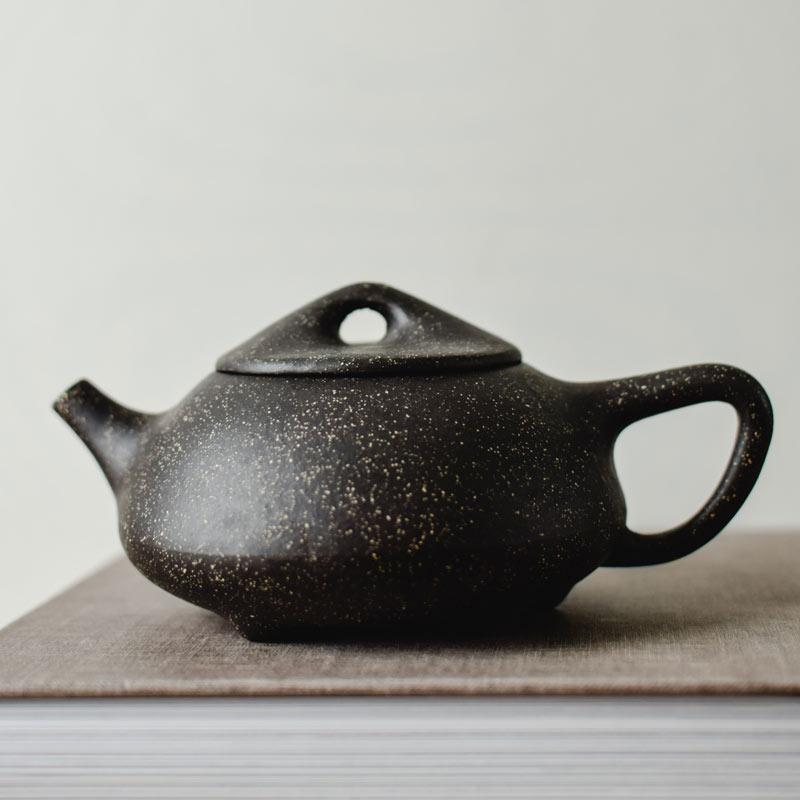
Black plates make some dishes sing and others disappear. Here is when dark tableware earns its place in a restaurant.
A black plate is a statement. On the right table it looks confident, modern and a little moody. On the wrong one it hides the food. Before you swap your whole set for black restaurant plates, it helps to know what they do well and where they struggle.
What black plates do well
Make colour pop
Bright foods such as seafood, citrus, microgreens and desserts look vivid against a dark background. Pale foods like white fish, risotto or cheese can look striking too.
Create contrast on the table
A dark plate on a light linen cloth gives a graphic, clean look. On a dark table it feels intimate and low-lit.
Feel contemporary
Cocktail bars, modern small-plates restaurants and tasting menus often use black to signal a design-led approach.
Where they struggle
- Dark or brown foods: stews, gravies and chocolate desserts can blend in.
- Dim rooms: in low light a dark plate can swallow the dish.
- Cutlery marks: scratches on certain glazes may show more on a dark finish, so ask how a given product wears.
- Traditional concepts: a classic dining room may feel at odds with heavy dark tableware.
Use black as an accent
You do not have to commit completely. Many restaurants use black for specific courses or as a charger beneath white plates. The contrast is strong without overwhelming the menu. See our guide to ceramic charger plates for ideas.
Matte or gloss?
A matte black feels earthy and modern and hides fingerprints. A glossy black feels sleek and reflects light. Try both under your own lighting.
Styling tips
- Keep the rim clean when plating. Smudges show clearly on dark glazes.
- Use light, textured linen and neutral cutlery to balance the weight.
- Pair black plates with natural wood or stone for a warm contrast.
- Test a few of your signature dishes on a sample before you order.
Practical questions to ask a supplier
- Is the colour consistent between batches?
- How does the glaze handle commercial dishwashing and cutlery contact?
- Are matching bowls and side plates available?
Which dishes suit black plates?
- Seafood and sashimi: pale, glossy ingredients stand out sharply.
- Salads and vegetable dishes: bright greens and reds look vivid.
- Desserts: berries, cream and fruit look striking.
- Cheese and charcuterie boards: contrast shows texture clearly.
Dishes that are brown on brown, such as stews or chocolate cake, benefit from a lighter plate or a coloured garnish.
Lighting matters
Dark plates need good light. In a dim dining room, food can disappear, so check how your plates look at evening service. A little extra task lighting over tables, or a lighter table surface, can make a big difference.
Keeping black plates looking sharp
Fingerprints, water spots and cutlery marks can show on dark glazes, so follow the supplier's care guidance and train staff to polish or check plates before service. Matt finishes often hide fingerprints better than glossy ones, while glossy finishes can show reflections. Choose the style that fits your team's routine.
How to introduce black gradually
- Start with a small set for a few signature dishes.
- Photograph the results under your service lighting.
- Collect feedback from guests and staff.
- Expand only if it works for your menu.
Frequently asked questions
Are black plates good for fine dining?
They can be, especially with careful lighting and plating. Many fine dining kitchens mix black with white. See fine dining plates for more.
Can I order black plates with a custom shape?
Often, yes. Colours, shapes and finishes can be discussed in a custom project.
Do black plates show scratches?
It depends on the glaze and finish. Ask your supplier about how a specific product wears with cutlery and dishwashing.
Are black plates good for photography?
They can be, especially for vivid foods, but harsh lighting may cause reflections on glossy finishes. Matt finishes are often easier to photograph.
For deep colour in bone china, see Gatsby and Jewel, or talk to our team.