Buying Guides
Fine Dining Plates: A Guide to Shape, Finish and Presentation
By GALA Ceramics Team · · Updated 25 November 2026
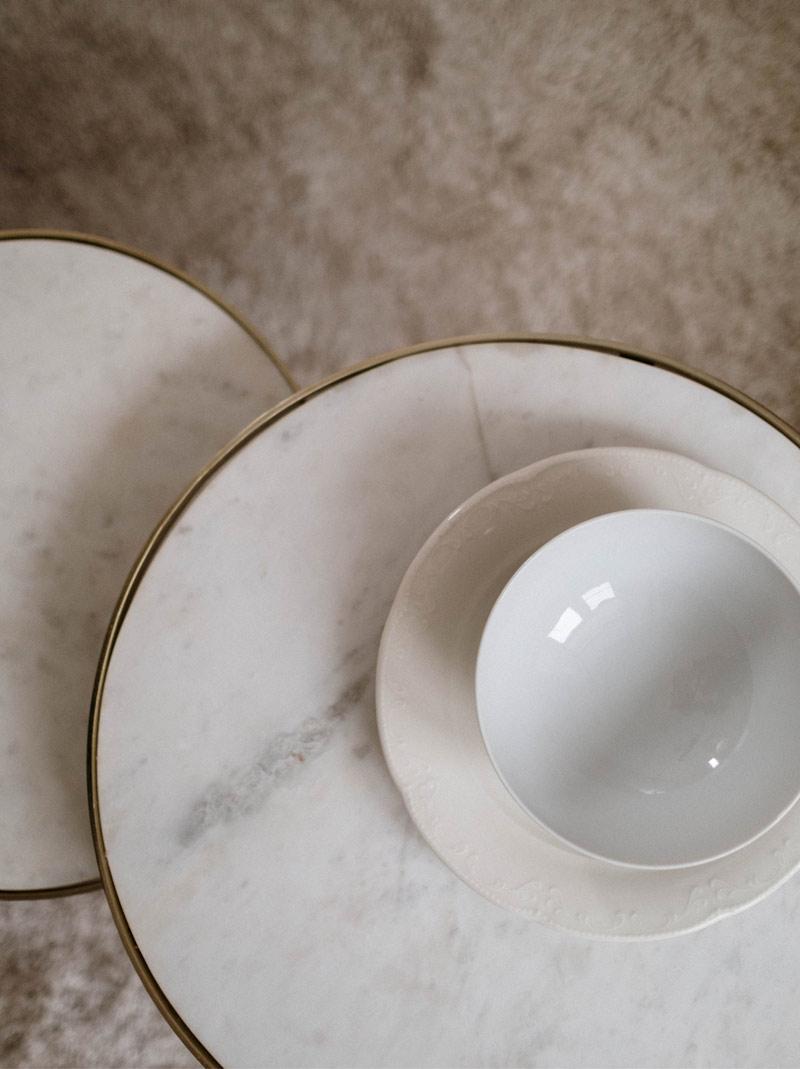
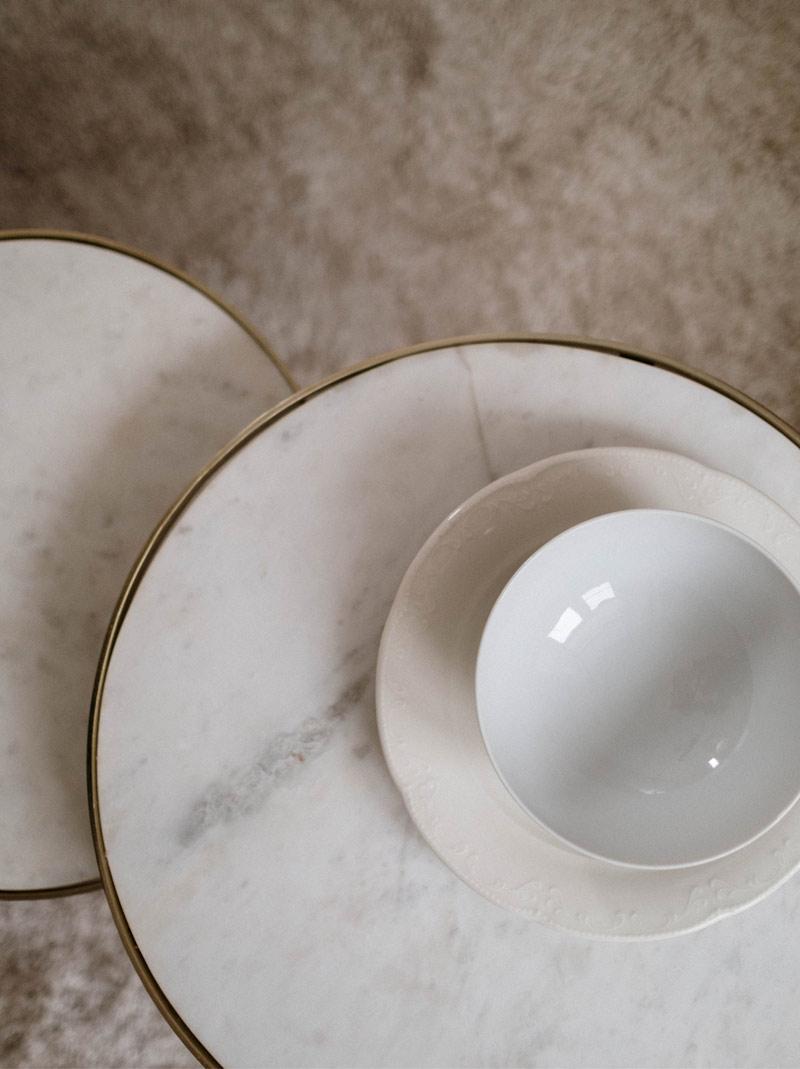
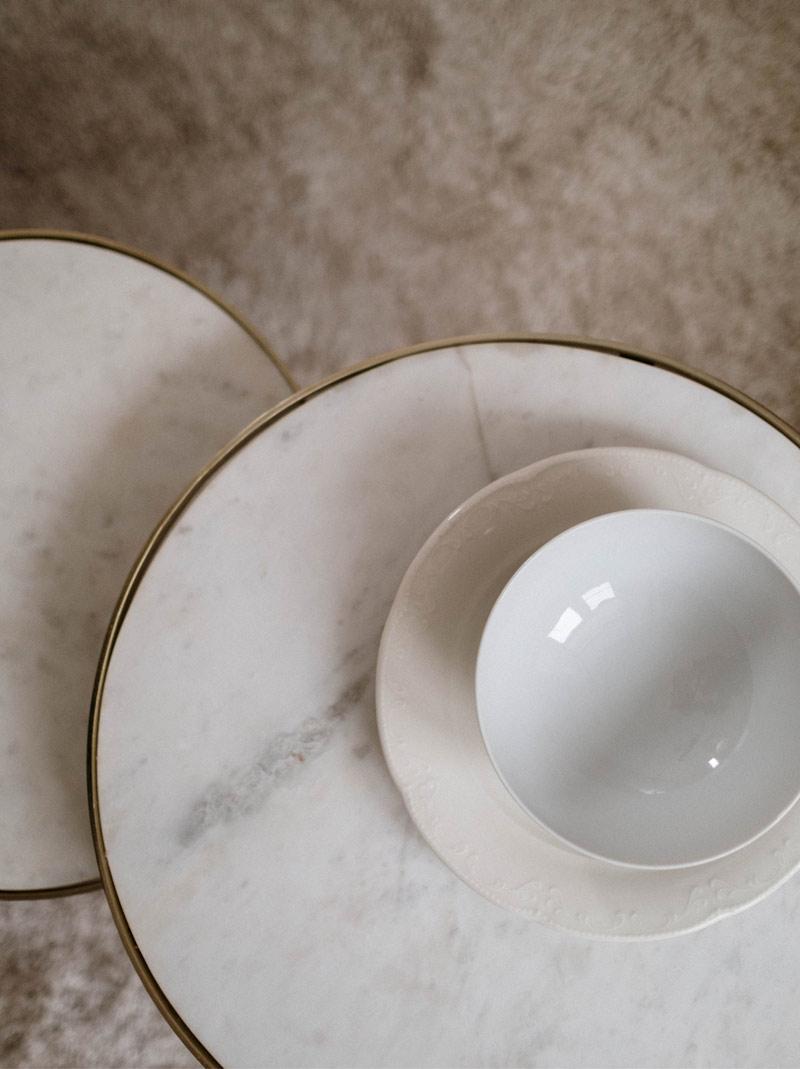
At the top end of the table, the plate is part of the cooking. A guide to choosing fine dining plates for presentation.
In a fine dining room, a plate is more than a surface. It sets the stage for every course, and guests read it before they taste a thing. Choosing fine dining plates is therefore a design decision as much as a practical one.
What makes a plate "fine dining"?
There is no rule, but fine dining plates usually share a few traits: refined proportions, subtle finishes, generous space for plating and an overall sense of calm. Nothing shouts. The food does the talking.
Shape and proportion
Wide rims
A broad rim frames the dish, like a mount around a picture. It also gives the chef a clean edge to work against.
Coupe and shallow bowls
A rimless coupe feels modern and gives a bigger canvas. Shallow bowls work for dishes with broth or sauce.
Square and asymmetrical forms
Used sparingly, these add rhythm to a tasting menu. See square porcelain plates.
Finish and colour
- White: the classic backdrop. See white ceramic plates.
- Matt or satin: modern and tactile, with softer reflections.
- Dark or coloured: dramatic contrast for selected courses. See black restaurant plates.
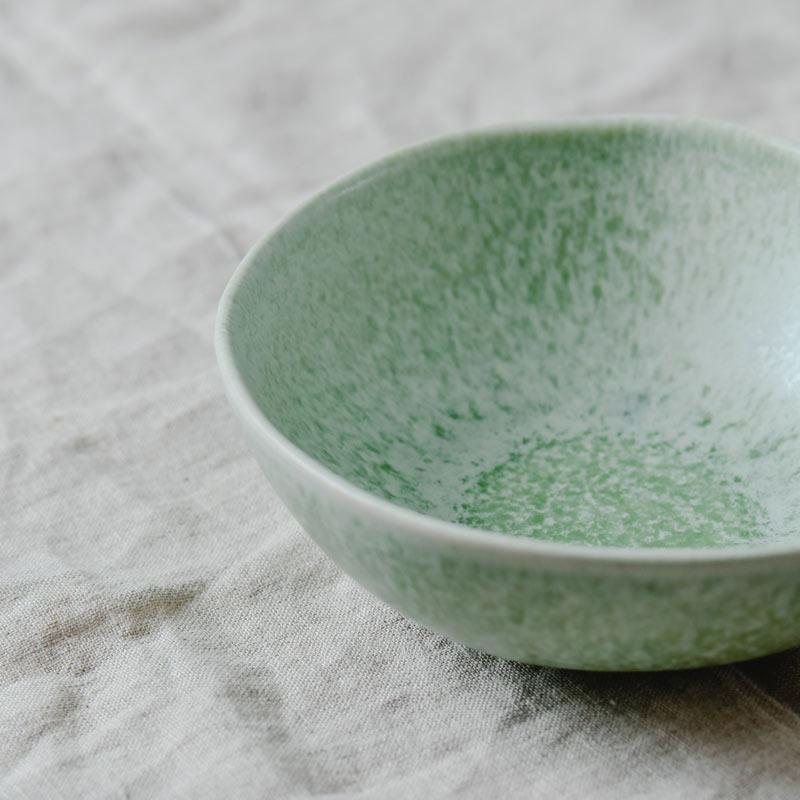
- Textured or handmade: adds individuality when used with care.
Material choices
Fine bone china and porcelain are the usual materials. Bone china for lightness and a delicate look, porcelain for precise shapes and a versatile white. Our guide on what fine bone china is explains more.
Plan the whole table
Tasting menus often change plates every course. Consider how they will look together on one table, and how staff will carry, clear and reset them. A strong core plate plus a few special pieces is easier to manage than an entirely different plate for every course.
Add finishing touches
- Use charger plates for the opening setting.
- Pair bowls and plates in one family.
- Consider custom elements, such as a subtle mark or colour, to make the table yours.
Practical considerations
- Ask about suitability for commercial dishwashing and daily use.
- Check that delicate edges survive your service flow.
- Order spares in the first batch so you can replace pieces without a mismatch.
How chefs think about the plate
Many chefs treat a plate like a frame. They decide how much white space they want, where the weight of the dish sits and how the eye will travel across the surface. A plate with a wide rim naturally frames a compact arrangement. A plate with a minimal rim invites a more spread-out composition. When you evaluate samples, ask the chef to plate a real dish and photograph it from the diner's point of view.
Consistency across courses
On a tasting menu, plates change with every course, yet the table should still feel coherent. A common approach is to keep one colour constant and vary shapes, or to keep shapes similar and vary finish. The goal is rhythm rather than repetition.
Service considerations
- Staff carry delicate plates all night, so check weight and grip.
- Rims should be easy to hold without touching the food.
- Pieces need to stack and store without chipping.
- Replacement pieces should be available so the table never looks mismatched.
Budget with intent
Fine dining tableware can be a significant investment. Put money where guests notice most: the main plates, the bowls and the first pieces on the table. Use simpler pieces for less visible items. Over time, you can add special shapes for new dishes.
Frequently asked questions
Which colour is best for fine dining plates?
White is the most common. Many kitchens add one or two accent colours for contrast.
Do fine dining plates need to be thin?
Not necessarily. Refinement comes from proportion and finish as well as thickness.
What size is a typical fine dining plate?
Sizes vary widely, because each kitchen plates differently. Many fine dining venues choose larger presentation plates with generous white space, then test sizes against their own dishes.
Is bone china necessary for fine dining?
No. Both bone china and porcelain are widely used. The right choice depends on the look and feel you want.
Browse our bone china collections for fine dining or ask us for samples for your next menu.