Buying Guides
The Best Plates for Restaurants: How to Choose for Your Menu, Style and Budget
By GALA Ceramics Team · · Updated 25 November 2026
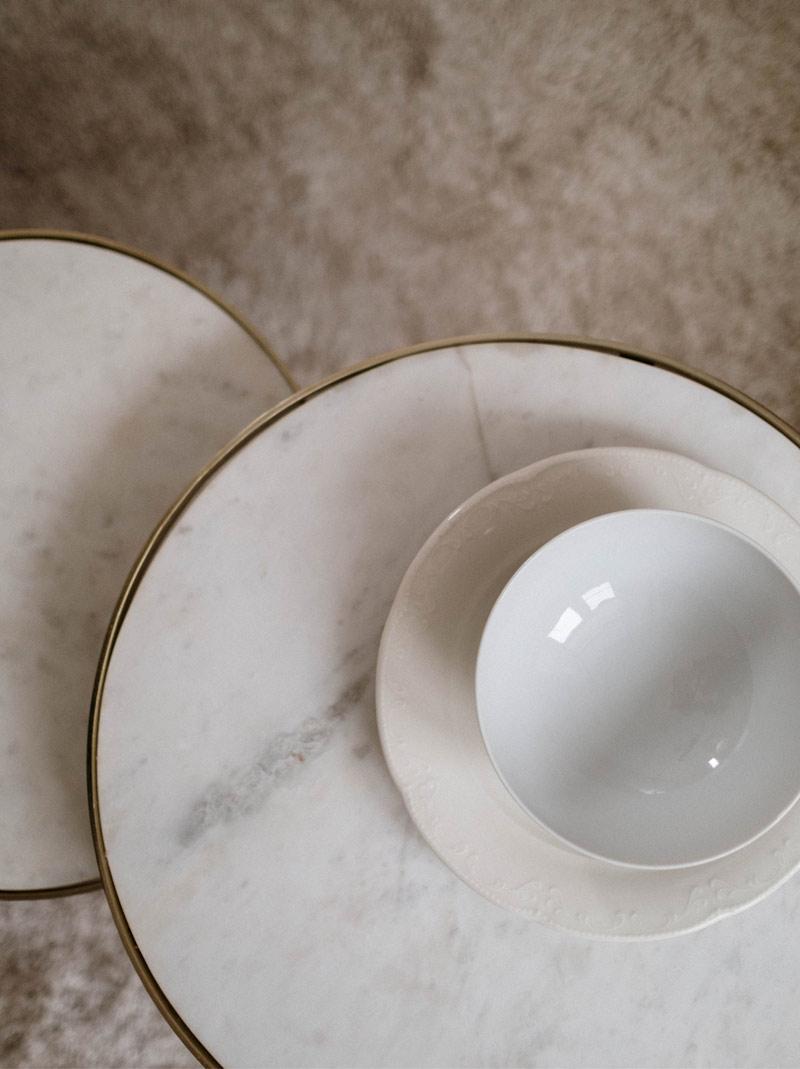
There is no single best plate, but there is a best plate for your restaurant. A complete guide to choosing restaurant quality dinnerware.
Search for the best plates for restaurants and you will find long lists of products. The honest answer is that there is no universal winner. The best plate is the one that flatters your menu, survives your service and fits your budget. This guide gives you a way to find it, step by step.
What "best" really means
A plate can be beautiful and still be wrong for your kitchen. When chefs, owners and servers talk about a "best" plate, they usually mean a combination of qualities:
- It makes food look good.
- It stays in good condition through busy service.
- It is easy to carry, stack and clean.
- It can be bought again.
- It fits the budget over time.
Step 1: Define your concept
Casual and neighbourhood
Prioritise robust, friendly shapes. Porcelain or stoneware both work. See bistro plates and plates for a café.
Mid-range and contemporary
Look for a versatile range with options such as oval and square pieces.
Fine dining
Focus on presentation, finish and proportion. See fine dining plates.
Step 2: Choose a material
MaterialGood forKeep in mind PorcelainAll-round restaurant useCrisp, less handmade in feel Fine bone chinaFine dining, hotelsOften higher priced StonewareRustic, casual conceptsHeavier, more variationFor a deeper comparison, read bone china, porcelain or stoneware.
Step 3: Pick the shape and size
Round plates
Reliable, easy to stack and perfect for most dishes.
Oval and rectangular plates
Best for linear dishes and sharing. See oval restaurant plates.
Square plates
Modern and graphic, but take more space.
Rim styles
Wide rimFrames the dish and gives a clean working edge.
Narrow rim or rimlessOffers more usable space and a contemporary look.
CoupeA rimless, gently curved shape that is popular for modern plating.
Step 4: Decide on colour and finish
White is the safest choice, as explained in white ceramic plates. Darker finishes can add drama, as in black restaurant plates. Matt and glossy glazes create different moods, so test them under your lighting.
Step 5: Check durability and practicalities
- Confirm the range is intended for commercial use.
- Check commercial dishwashing guidance.
- Stack and carry samples.
- Look at rim and edge finish.
- Make sure you can reorder the same range later.
For more on this, see our commercial dinner plates guide.
Step 6: Consider custom options
If you want something nobody else has, explore custom plates for restaurants. Even a small custom element can set your table apart.
Step 7: Plan quantities and budget
Use your seat count, turns and wash speed to estimate quantities, and add spares. Our restaurant dinnerware checklist and bulk buying guide will help you plan.
What chefs and owners often say matters most
Ask restaurant teams what they value in a plate, and a few themes repeat. Chefs talk about the canvas: size, rim and colour. Servers talk about weight, grip and how easy a plate is to carry. Dishwashers talk about stacking and how plates sit in racks. Owners talk about cost over time and whether they can buy the same plate again. The best plates are the ones that keep all of these groups reasonably happy.
Plate choices by cuisine
- Italian and Mediterranean: wide, shallow bowls and generous plates for pasta, sharing dishes and antipasti.
- Japanese and East Asian: a mix of small plates, bowls and rectangular dishes for variety.
- Steakhouses and grills: large, sturdy plates with a clear rim.
- Brunch and cafés: medium plates and wide bowls in warm, welcoming finishes.
- Fine dining: large presentation plates, coupe shapes and refined finishes.
A short test you can run this week
- Choose three plates you are considering.
- Plate your three most popular dishes on each.
- Photograph each under your service lighting.
- Carry a stack of six each across your kitchen.
- Run them through your dishwasher a few times.
- Ask staff to vote and explain why.
It takes an afternoon and gives you far better information than a catalogue.
When to ask for expert help
If you are opening a new restaurant, refreshing a large dining room or planning custom plates, talking to a trade supplier early saves time and money. Bring your menu, your seat count and your ideas, and ask for samples. GALA Ceramics works with restaurants, cafés, hotels and distributors on exactly this kind of project, so you are welcome to send us a brief.
A quick summary
- The best plate fits your menu, service and budget.
- Porcelain is the most common all-round choice.
- Always test samples with real food and a real wash cycle.
- Plan for spares and reorders.
Frequently asked questions
What is restaurant quality dinnerware?
It is tableware intended for professional use, built for repeated service, washing and stacking. Ask your supplier to confirm what that means for the range you are considering.
What size plate is best for restaurants?
Many restaurants use a dinner plate of a moderate diameter, supported by side plates and bowls. The best size depends on your portions and plating style.
Where can I get help choosing?
Is it better to choose plates or the concept first?
Start with the concept and the menu, then choose plates that support them. A plate chosen in isolation rarely fits well.
Can I change plates later without redoing everything?
Yes, if you choose a flexible, neutral base. You can add or replace pieces over time, especially with a range that stays available.
Talk to a trade supplier who can recommend ranges and send samples. Contact our team or browse the GALA Ceramics collections.