Buying Guides
Ceramic Tableware: A Buying Guide for Restaurants, Cafés and Hotels
By GALA Ceramics Team · · Updated 25 November 2026
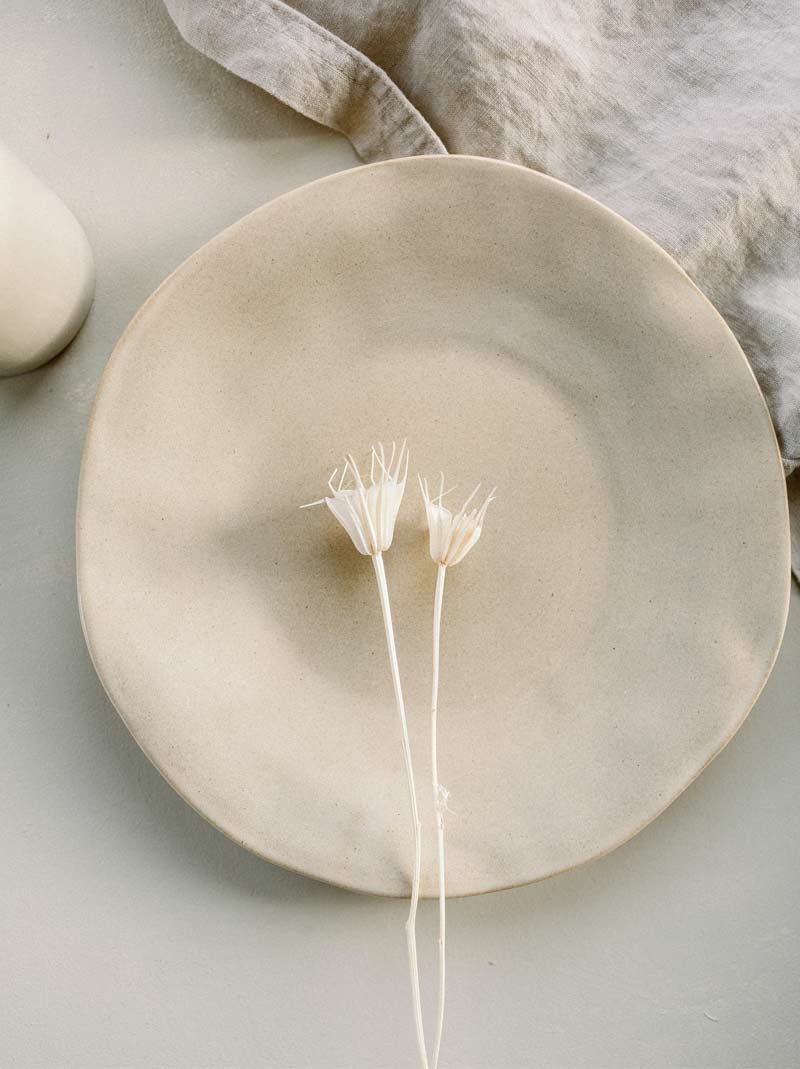
Ceramic tableware covers a lot of ground. This guide helps you make sense of the options and choose the right range for your venue.
"Ceramic tableware" is a big phrase. It covers everything from delicate bone china to chunky stoneware, from a plain white dinner plate to a hand-glazed serving bowl. If you are buying for a restaurant, café or hotel, a clear framework makes the process much less overwhelming.
Why ceramic?
Ceramic has been used for dining for centuries, and it remains a favourite in hospitality for good reasons. It looks great, holds heat well, feels substantial in the hand and comes in endless shapes and finishes. Guests associate it with quality.
The main types
Porcelain
Smooth, clean and versatile, and a staple of professional kitchens. See porcelain dinner plates.
Fine bone china
Light, delicate and refined. Often chosen for formal dining. See what is fine bone china.
Stoneware
Dense, tactile and earthy. See rustic stoneware dinnerware.
Earthenware
Warm and colourful, often used decoratively. Check its suitability for heavy service.
What to consider before choosing
- Your concept: a formal dining room needs different tableware than a bakery.
- Volume of service: busy venues need robust, easily replaced pieces.
- Menu: consider how your dishes look and sit on each plate.
- Cleaning: confirm commercial dishwasher suitability.
- Storage: think about stacking and space.
- Budget: count the cost over time.
Build a cohesive range
- Start with core pieces: dinner plates, side plates, bowls and cups.
- Choose one family of colours and finishes.
- Add specialist pieces, such as oval platters or chargers, for key dishes.
- Plan for spares and reorders.
Plain, patterned or custom?
Plain plates are flexible and easy to replace. Patterned plates add personality but can date. Custom plates make you unique but need planning. If you are curious, read custom plates for restaurants.
Sustainability and lifespan
A well-chosen ceramic range can last for years of service. Choosing pieces that you can reorder, repair through replacement and reuse across menus is a practical way to reduce waste. Ask suppliers about their approach rather than relying on assumptions.
Questions to ask your supplier
- Is this range intended for commercial use?
- Can I order samples?
- How long will this range be available?
- Do you support bulk and custom orders?
Matching tableware to your concept
Casual and fast service
Robust shapes, simple glazes and easy reordering matter most. Porcelain or sturdy stoneware both work well.
Full-service restaurants
A full family of pieces in one range makes tables look considered. Porcelain gives the broadest choice of shapes.
Hotels and banqueting
Large volumes call for consistency and fast availability. White porcelain or bone china is common, sometimes with custom detail.
Cafés and bakeries
Warm, tactile pieces feel welcoming, and cups and small plates deserve as much thought as the dinner plates.
Reading a product description
When you see a description, look for the material, the size, the finish and any care instructions. Words like "commercial" or "professional" are only useful if the supplier explains what they mean. Ask for written guidance on dishwashing and on heat, and keep it on file for your team.
Building a long-term relationship
Choose a supplier who answers questions clearly, delivers what they promise and can support you as you grow. A good relationship saves time when you need more pieces, new shapes or a custom project. Our guide to where restaurants should buy covers what to ask.
Frequently asked questions
What is the best ceramic tableware for restaurants?
The best choice depends on your concept and volume. Porcelain is the most common all-round option.
Can I mix different ceramic types?
Yes, with care. Test them together so colours and finishes complement each other.
How long does ceramic tableware last?
That depends on the product, how it is handled and how busy your service is. Breakage is usually what ends a plate's life, not wear.
What is the difference between ceramic and porcelain?
Ceramic is the broad category. Porcelain is one type within it, known for its smooth, refined finish.
Browse our collections or ask us for advice.