Buying Guides
Ceramic Plates and Bowls for Restaurants: Building a Matching Set
By GALA Ceramics Team · · Updated 25 November 2026
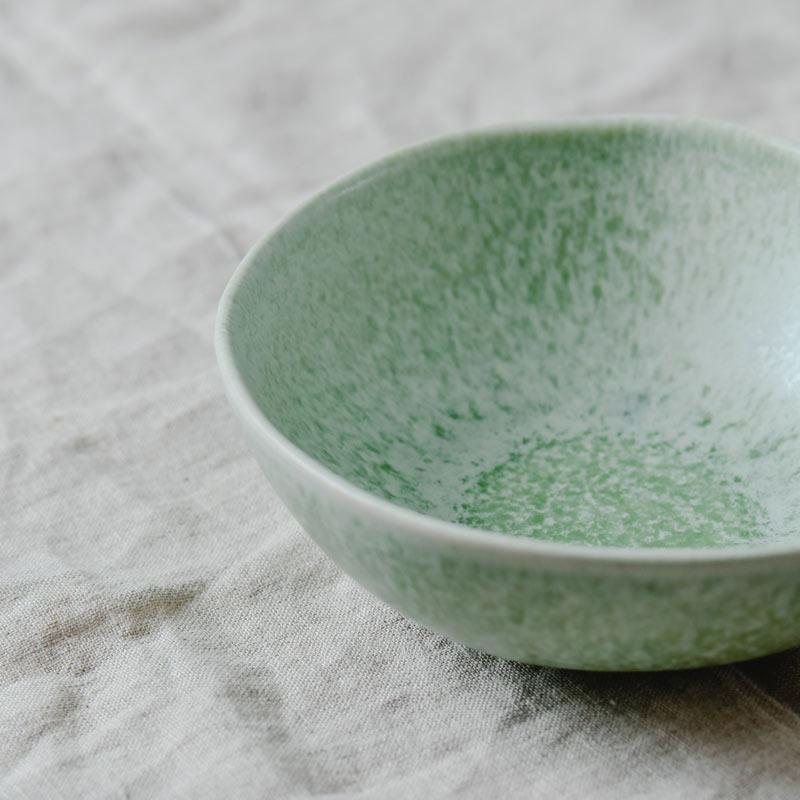
Plates get the attention, but bowls do half the work. How to pair ceramic plates and bowls so your restaurant set works together.
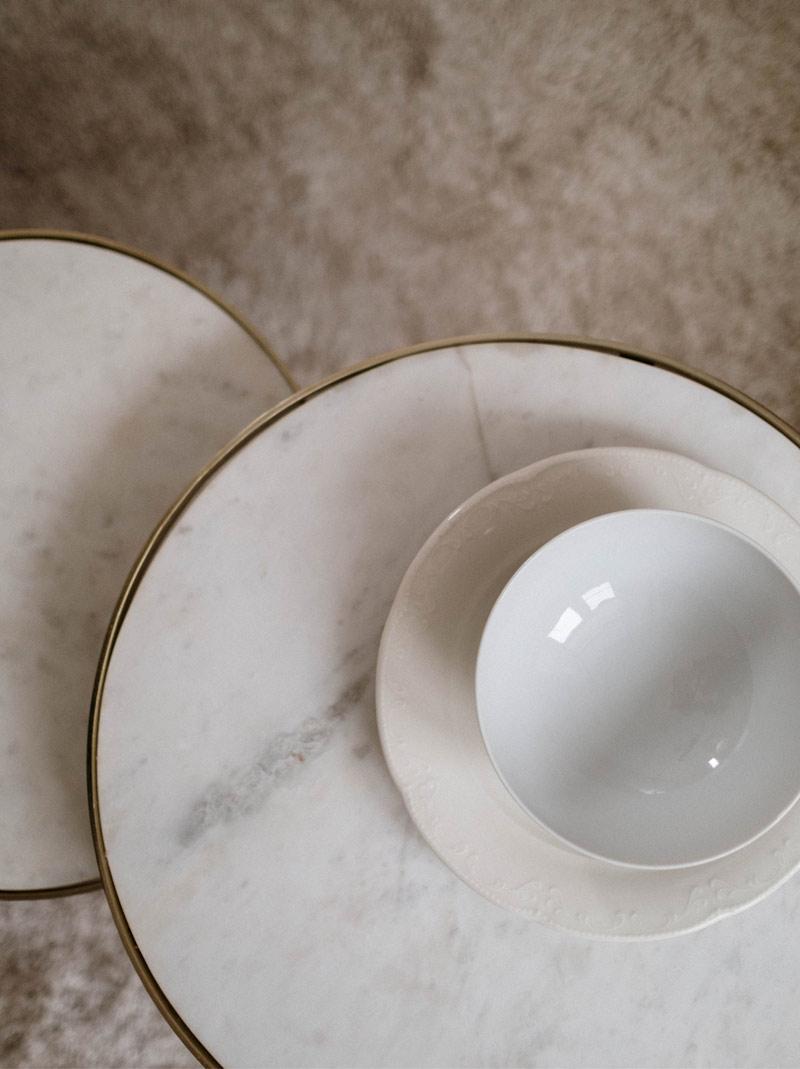
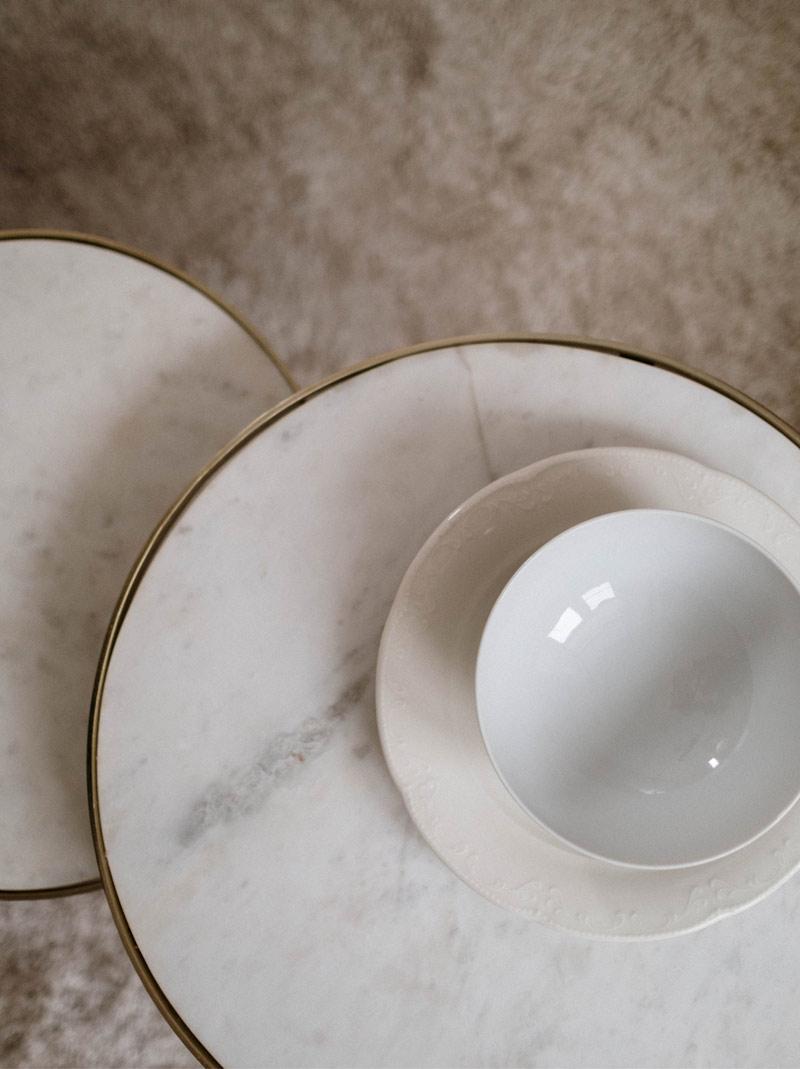
Many restaurants choose plates first and think about bowls later. That is how you end up with a bowl that almost matches. Planning ceramic plates and bowls together from the start gives you a set that looks consistent and works hard in service.
Why plan them together
- Colours and glazes match exactly.
- Shapes echo each other, so the table feels designed.
- Stacking and storage are easier to plan.
- You can order everything in one batch.
The bowls you will actually use
Soup and pasta bowls
Wide and shallow bowls are the most versatile. They suit pasta, risotto, soups and grain dishes.
Cereal and dessert bowls
Smaller bowls for breakfast, desserts and sides.
Deep bowls
For stews, ramen and broths that need more depth.
Sharing and serving bowls
Larger bowls for salads and family-style service. See buffet plates and serving dishes.
Choosing sizes that work together
- Start with your dinner plate size.
- Choose a bowl whose diameter fits comfortably on a side or charger plate.
- Check how bowls sit alongside plates on the pass and the table.
- Test with real dishes, including hot and saucy ones.
Think about depth and rim
A very wide, shallow bowl looks elegant but can spill when carried. A bowl with a gentle curve and a defined rim is easier for staff. Think about how guests will use a spoon, and how food will sit at the edges.
Material and style
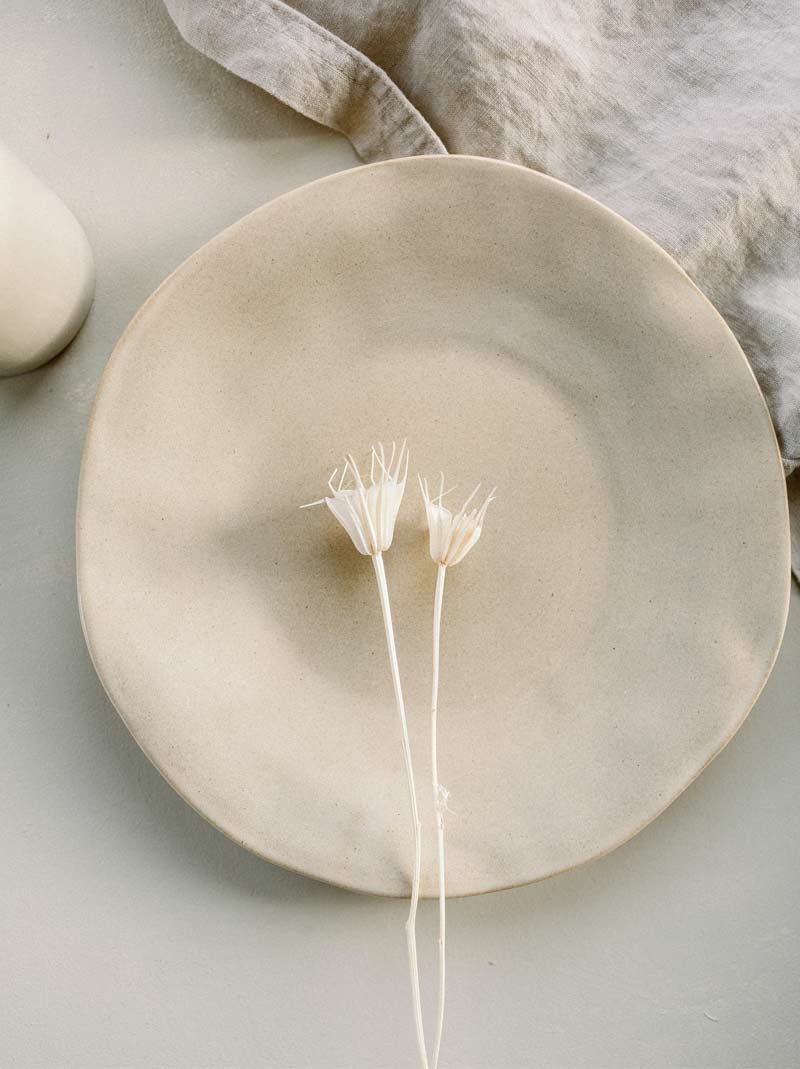
Pick a material to suit your concept. Porcelain for a clean look, stoneware for a rustic one, bone china for delicacy. For comparisons, read bone china, porcelain or stoneware.
How many to buy
Bowls follow your menu. If soups, pasta or grain dishes are best-sellers, hold more bowls. As a general guide, use the same planning approach as for plates, then adjust: our checklist shows how.
Practical tips
- Check bowl stacking height so shelves and dishwashers cope.
- Order extra small bowls, as they are used often and break easily.
- Confirm commercial dishwashing guidance for the specific range.
Bowl sizes explained simply
Bowls are often described by diameter and depth, but the real question is what you plan to serve. A small bowl suits sauces, sides and desserts. A medium bowl suits soup, cereal and ice cream. A wide, shallow bowl suits pasta and grain dishes. A large bowl suits salads and sharing. Trying a few with real food, not just empty, shows which sizes your menu needs.
Stacking and storage
Bowls nest, which saves space, but tall stacks can be risky. Decide how high your team may stack them, and make sure shelves can handle the weight. Keep bowls and plates in separate, labelled areas so staff can find them quickly during service.
Matching colour across pieces
Keep colour and glaze consistent across plates and bowls in one range. If you want contrast, make it deliberate: for example, dark bowls with white plates. Avoid combinations where slightly different whites sit side by side, because they look like a mistake.
Bowls for takeaway and casual service
For casual dining, deep, sturdy bowls that hold heat suit soups, noodles and grain bowls. They also photograph well when filled generously. Consider matching spoons and chopsticks to complete the look.
Frequently asked questions
Should bowls be the same colour as plates?
Usually yes, to keep the set cohesive. A deliberate accent colour can also work.
What is the most versatile bowl for a restaurant?
A wide, shallow bowl suitable for pasta, soups and salads.
How many bowls should a restaurant buy?
It depends on how many dishes use bowls. Start from your menu and apply the same seat-based approach as for plates, then adjust.
Should bowls have a rim?
Rimmed bowls look classic and are easy to hold. Rimless bowls look modern and stack neatly. Choose according to your style.
See our bone china plates and bowls or request a quote.