Restaurant & Café Tips
Buffet Plates and Serving Dishes: How to Equip a Hotel or Catering Buffet
By GALA Ceramics Team · · Updated 25 November 2026
A buffet lives or dies by its plates and serving dishes. Here is how to choose them so food looks generous and service stays smooth.
Buffets ask a lot of tableware. Plates are picked up by hundreds of hands, dishes sit under lights for hours, and everything has to look abundant without looking messy. Getting the plates and serving dishes right makes the whole service easier for guests and staff.
Start with the guest's journey
Walk the buffet in your head. A guest picks up a plate, moves along the line, and ends at a table. Every extra step is a chance for a spill. That tells you what to look for in a buffet plate.
Choosing the buffet plate
Size
A buffet plate is usually a little larger than a standard dinner plate so guests can take several items without stacking food high. Do not go oversized though. Very large plates encourage waste.
Rim and depth
A slightly raised rim keeps sauces in place and gives a thumb somewhere to hold. A completely flat plate looks smart but can send gravy off the edge.
Stackability
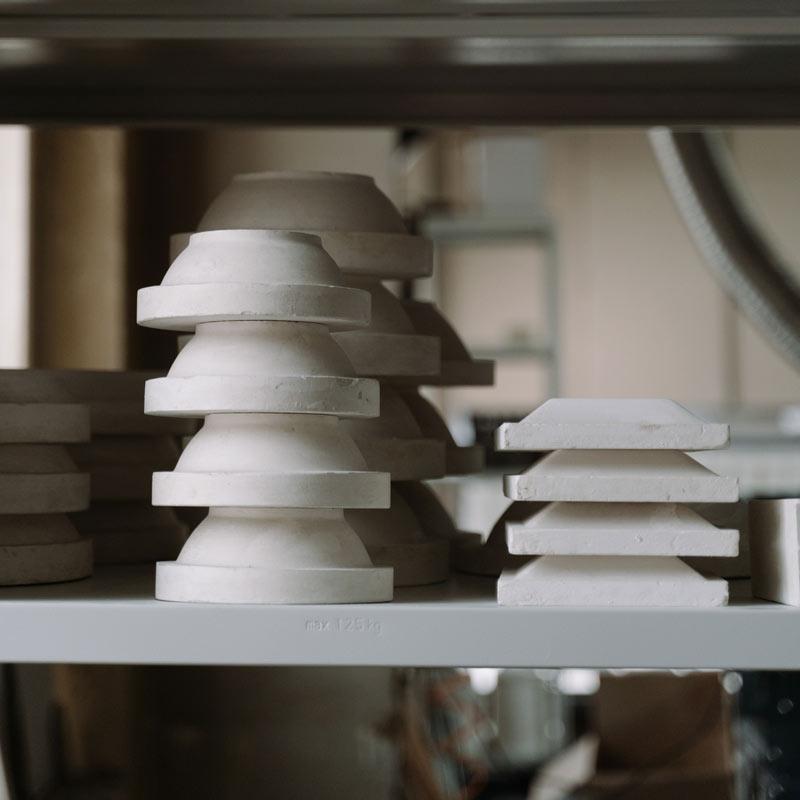
Buffets use a lot of plates, so they need to stack safely at the start of the line. Check the stack height and the foot so plates do not slide.
Choosing serving dishes for buffet service
- Shape: oval and rectangular dishes make the best use of a long counter. See oval restaurant plates.
- Depth: deeper dishes suit saucy hot items; shallow platters suit salads, cold cuts and desserts.
- Size variety: a mix of small, medium and large dishes creates height and rhythm.
- Handles or lips: useful for staff topping up the line.
Keep it looking abundant
Fill smaller dishes more often rather than one huge dish once. It keeps food fresh and the display tidy. Using several sizes in one colour family looks deliberate rather than random.
Material matters at a buffet
Look for glazed ceramic that is easy to wipe and suitable for commercial cleaning. If dishes will be used with warming equipment, confirm with the supplier which temperatures the product can handle. Never assume.
Style: match the room
- For hotels and banquets, crisp white or ivory works almost everywhere.
- For brunch and casual venues, warm stoneware adds a relaxed feel.
- For events, custom or branded pieces help set a theme.
Quantities to plan for
As a loose guide, plan for several plates per guest across a service, since many people return for a second or third visit, plus spares for breakage. Your event and menu will refine the number. For larger orders, see our notes on buying restaurant plates in bulk.
Setting up the buffet line
Think about the order guests meet things. Plates go first, at a clear starting point with plenty of space. Cold dishes and salads usually come next, then hot dishes, then breads and sides. Place desserts and cups on a separate station if you can, so the main line keeps moving.
Mixing heights and shapes
A buffet of identical flat dishes looks dull. Raise a few dishes on risers, vary shallow and deep dishes, and combine round and oval shapes. Keep the ceramic colour family consistent so the variety looks planned rather than random.
Looking after food and tableware
- Check with your supplier which dishes suit warming equipment and what temperatures are appropriate.
- Use serving utensils sized for each dish, so staff and guests do not scrape rims.
- Refill smaller quantities more often rather than leaving food out too long.
- Keep a spare set of clean dishes behind the scenes for fast swaps.
Planning quantities for events
For events, start from your guest count, then consider how many visits each guest will make to the buffet and how many dishes you will rotate. Add spares for breakage and for dishes that get changed mid-service. A planner at your supplier can help you estimate based on your menu, which is easier than guessing alone.
Frequently asked questions
What is the best shape for restaurant serving dishes?
Oval and rectangular shapes fit long buffet counters best. Round works well for centrepieces and salads.
Can serving dishes match the plates?
Yes, and it is usually a good idea. A coordinated range looks calmer and is easier to reorder.
What size should a buffet plate be?
Slightly larger than a standard dinner plate is common, but avoid very large plates that encourage overloading. Test with your own menu.
Can serving dishes be custom made?
Often, yes. For events or hotels, custom shapes and colours can match a theme. See custom plates for restaurants.
Explore tiered stands and the trays in our collections, or request a quote for your next event or hotel.