Handmade & Rustic
Rustic Stoneware Dinnerware: A Buyer's Guide for Restaurants and Cafés
By GALA Ceramics Team · · Updated 25 November 2026
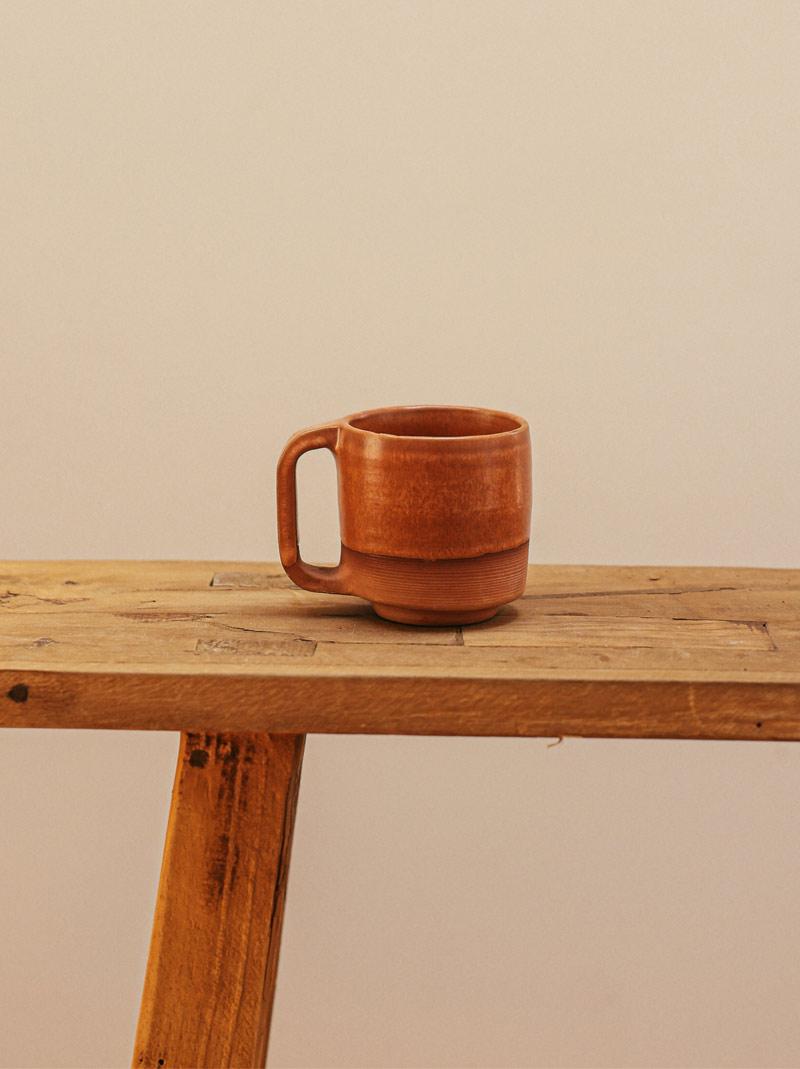
Stoneware has an earthy warmth that suits cafés, bistros and farm-to-table menus. Here is what to know before you choose it.
Some tables feel polished and formal. Others feel like a warm kitchen. Rustic stoneware dinnerware belongs firmly in the second camp. It is a favourite with cafés, bakeries and produce-led restaurants that want honesty and texture on the table.
What is stoneware?
Stoneware is a ceramic fired at a high temperature, which makes it dense and durable. It is typically heavier and thicker than bone china or fine porcelain, and its glazes often have a softer, more organic character. "Rustic" simply describes the look: speckles, reactive glazes, uneven edges and earthy colours.
Where it shines
Casual and neighbourhood dining
The tactile feel makes comfort food and shared plates feel generous.
Bakeries and cafés
Matt glazes and warm tones suit pastries, brunch dishes and a flat white alike. Our guide to plates for a café has more on this.
Seasonal, produce-led menus
Natural colours act as a backdrop for vegetables, grains and rustic breads.
Things to think about
- Weight: heavier plates feel premium but can tire staff carrying many at once.
- Glaze variation: reactive glazes mean no two pieces match exactly. That is part of the charm, but it is not for everyone.
- Surface: some textured or unglazed areas can mark more easily, so ask about care.
- Stacking: thicker pieces take more shelf and dishwasher space.
Checking suitability for service
Do not assume every stoneware range is meant for commercial use. Ask directly about dishwashing, oven and microwave suitability and how the glaze holds up to cutlery. Always rely on the supplier's written guidance, not a general rule.
Styling tips
- Mix two or three coordinating glaze colours rather than one.
- Keep linen and cutlery simple so the plates lead.
- Pair stoneware with natural wood and soft lighting.
- Use darker bowls for soups and lighter plates for mains to create contrast.
Stoneware versus porcelain
Porcelain looks cleaner and more precise. Stoneware looks warmer and more handmade. Neither is better. The best choice follows your concept. For a side-by-side look, read bone china, porcelain or stoneware.
Pairing stoneware with different kinds of food
Breakfast and brunch
Eggs, grains, toast and fruit look generous on warm, matt surfaces, and the thicker walls hold heat nicely for hot dishes.
Rustic Italian and Mediterranean
Earthy bowls suit pasta, stews and shared starters, and darker glazes make olive oil and herbs shine.
Modern vegetarian menus
Soft natural tones act as a calm backdrop for brightly coloured vegetables and grains.
General care habits
Every stoneware range is different, so follow the maker's guidance on dishwashing, heat and cutlery contact. As a general habit, avoid dropping plates onto hard surfaces, avoid very sudden temperature changes, and keep stacks to a sensible height. If a glaze is textured or partly unglazed, ask whether it needs extra attention to stay clean.
Buying tips for stoneware
- Request more than one sample, since natural variation is part of the product.
- Test weight by carrying a full stack, as staff will do.
- Check that bowls, plates and cups come in matching glazes.
- Ask about lead times, repeat orders and whether glaze colours stay consistent between batches.
- Decide how much variation you can live with, and tell your supplier.
Mixing stoneware with other materials
Stoneware pairs well with simple glassware, wood and linen. If you want a smoother look for some courses, combine it with white porcelain pieces. Keeping one colour in common holds the table together. Our guide to bone china, porcelain and stoneware shows how the materials compare.
Frequently asked questions
Is rustic stoneware dinnerware durable?
Stoneware is generally dense and sturdy, but durability varies by maker. Test samples under real conditions.
Can stoneware be custom made?
Often yes. Shapes, glazes and sizes can usually be discussed. See custom plates for restaurants.
Is stoneware safe in a commercial dishwasher?
Many ranges are, but not all. Always confirm with the supplier's written care guidance for the specific product.
Is rustic stoneware good for upscale restaurants?
It can be, particularly for relaxed fine dining and seasonal menus. The key is choosing refined shapes and glazes rather than very rough ones.
Our catalogue collections are fine bone china. For a more rustic look, ask us about your project.