Handmade & Rustic
Handmade Pottery Dinnerware Sets: Planning a Cohesive Table
By GALA Ceramics Team · · Updated 25 November 2026
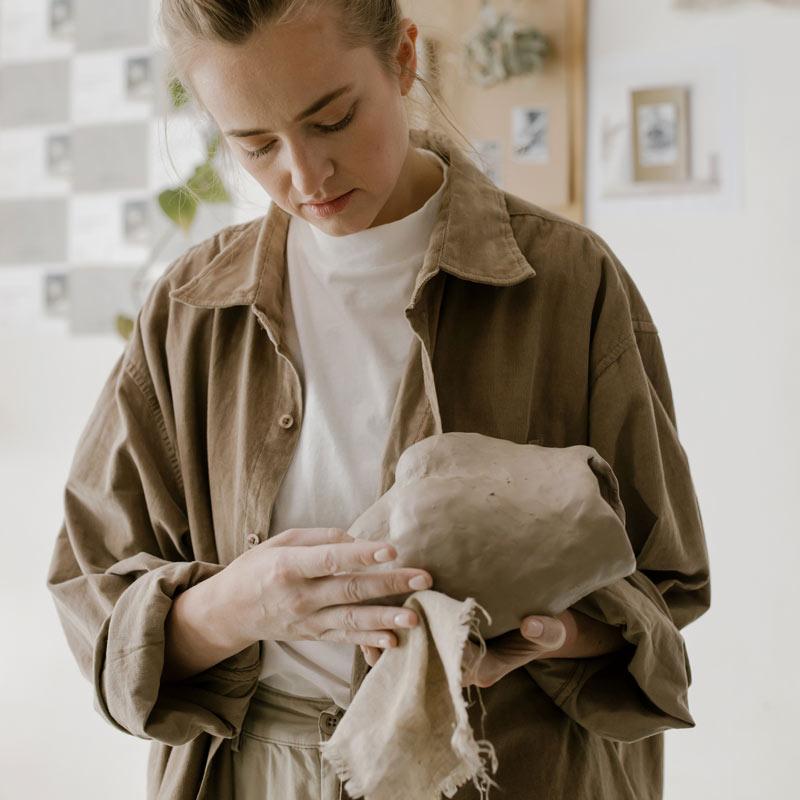
A handmade set can feel curated rather than chaotic if you plan it well. How to balance character with consistency.
The appeal of handmade pottery dinnerware sets is character. The challenge is keeping that character from tipping into chaos. A set that looks curated on the table needs some thinking about what to buy and how the pieces relate to each other.
Decide what a "set" means for you
In a restaurant, a set is usually a family of plates, bowls and cups. You might build it around a single glaze, or around two or three complementary tones. Decide early how much variation is acceptable. Is every plate meant to look nearly identical, or is variety the point?
Core pieces to include
- Dinner plates for mains.
- Side plates for bread, starters or desserts.
- Bowls for soups, pasta and sides. See ceramic plates and bowls for restaurants.
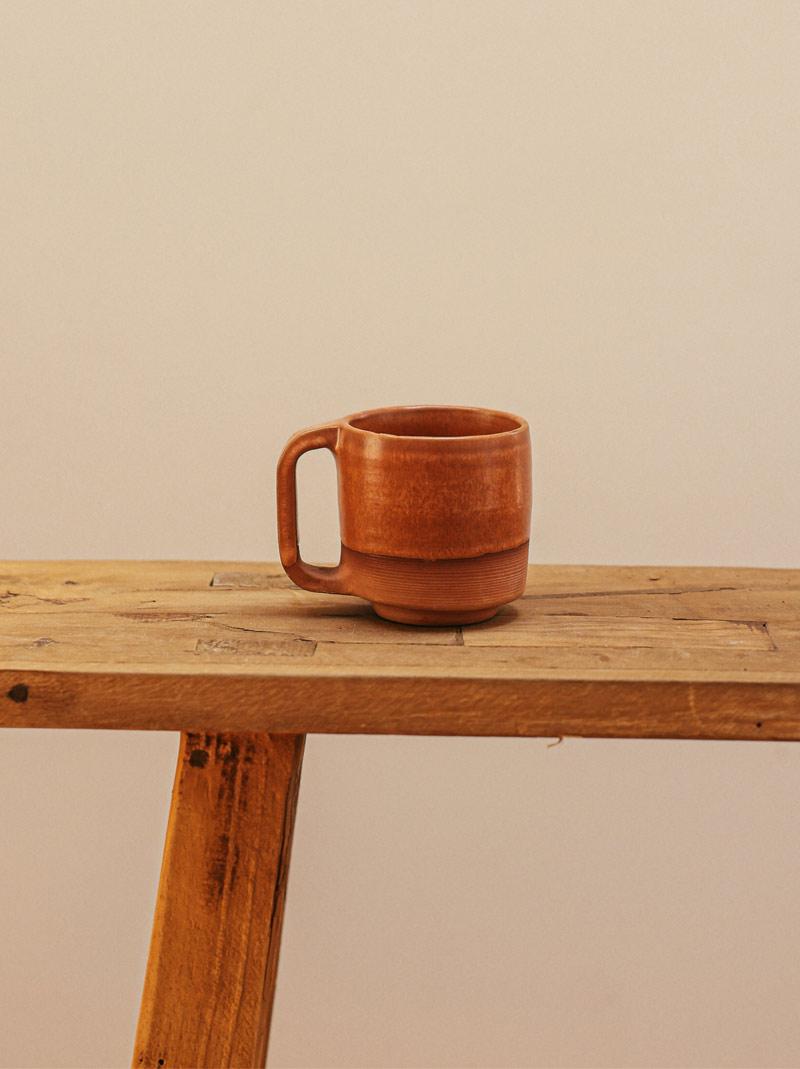
- Cups and mugs for coffee and tea.
- Serving platters for sharing dishes.
Balance consistency and character
Choose one anchor
Keep one element constant, such as colour or glaze type, so the table feels unified even when shapes vary.
Vary one thing at a time
If sizes vary, keep colours close. If colours vary, keep shapes similar.
Use sets of pairs or multiples
Ordering in groups of four or six helps tables look intentional.
Practical points for service
- Confirm sizes and weights are workable for your dishwasher and storage.
- Ask whether the range is suitable for commercial use and cleaning.
- Check lead times and whether the maker can reproduce the same glaze later.
- Order spares, because handmade pieces can take time to replace.
Working with a maker
Good makers are happy to talk through your menu and your service style. Share photos of your space and the dishes you plan to serve. Request a small test batch before a large order. For more on the benefits and trade-offs, read handmade ceramic plates for restaurants.
Pairing handmade with standard pieces
A practical middle route is to use dependable plain plates for volume and handmade pieces for the dishes you want to highlight. It keeps costs and risk down while preserving the handmade feel where guests notice it.
A sample set for a 40-seat restaurant
As an illustration, a forty-seat restaurant serving shared plates might build a handmade set like this: a medium plate for mains and sharing, a small plate for starters and bread, a wide bowl for pasta and soups, a small bowl for sides, a cup for coffee and tea, and two or three larger serving platters. They would add spares of the small plates and bowls, because these are used constantly. It is only an example, but it shows how few shapes are needed for a convincing set.
Keeping a handmade set cohesive
Repeat a glaze
One glaze used across every piece ties the set together even when shapes differ.
Repeat a shape detail
A similar rim, foot or curve across pieces creates family resemblance.
Use colour in moderation
One or two accent colours, used in small amounts, lift a handmade set without making it chaotic.
Working with makers on repeat orders
Ask whether the maker can reproduce the same glaze and size in the future, and how long a repeat order typically takes. Keep photographs and notes of your approved sample so you can compare later batches. Good communication prevents surprises when you need more pieces.
Frequently asked questions
How many pieces should a handmade set include?
That depends on your menu and covers. Start with the pieces you use every service, then add specialist items.
Can handmade dinnerware be reordered?
Often, but exact matches can vary. Ask the maker how repeat orders work.
Will every piece in a handmade set look identical?
No. Small variations are part of handmade work. Discuss the level of variation you are comfortable with before ordering.
Can I add pieces to my set later?
Often yes, though exact matches depend on the maker. Order spares upfront and ask about repeat production.
Browse our bone china collections or tell us about your venue.