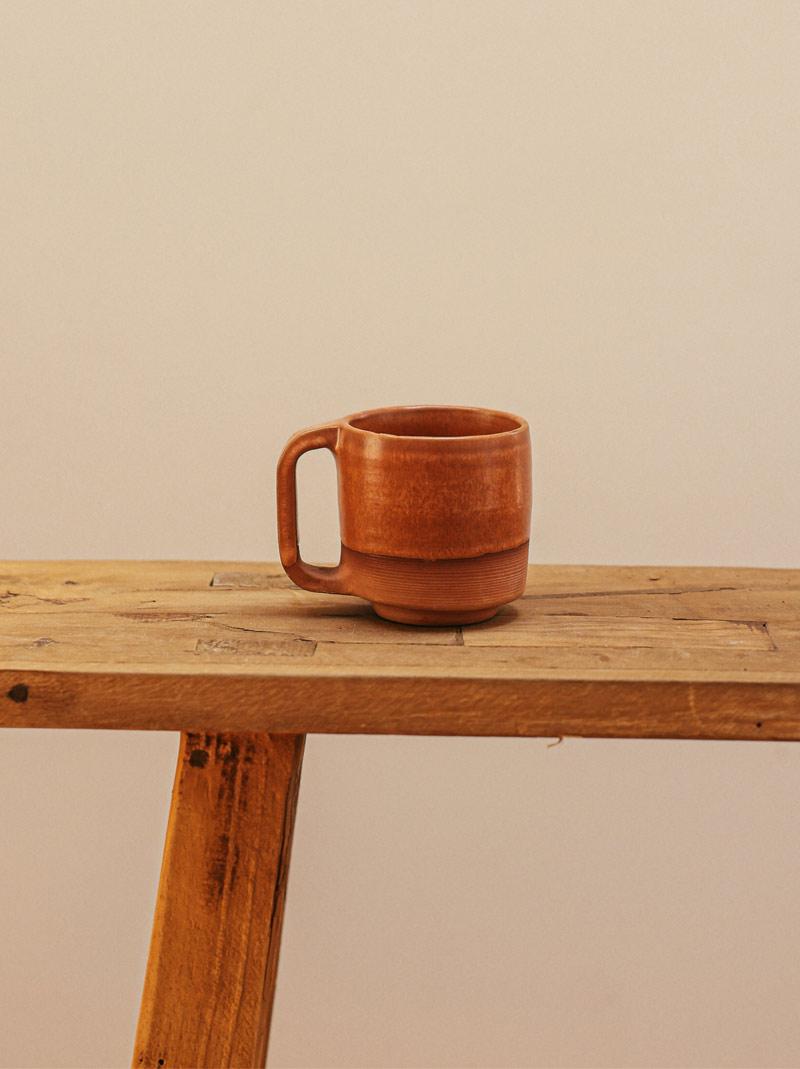
Handmade & Rustic
Handmade Ceramic Plates for Restaurants: Pros, Cons and What to Ask
By GALA Ceramics Team · · Updated 25 November 2026
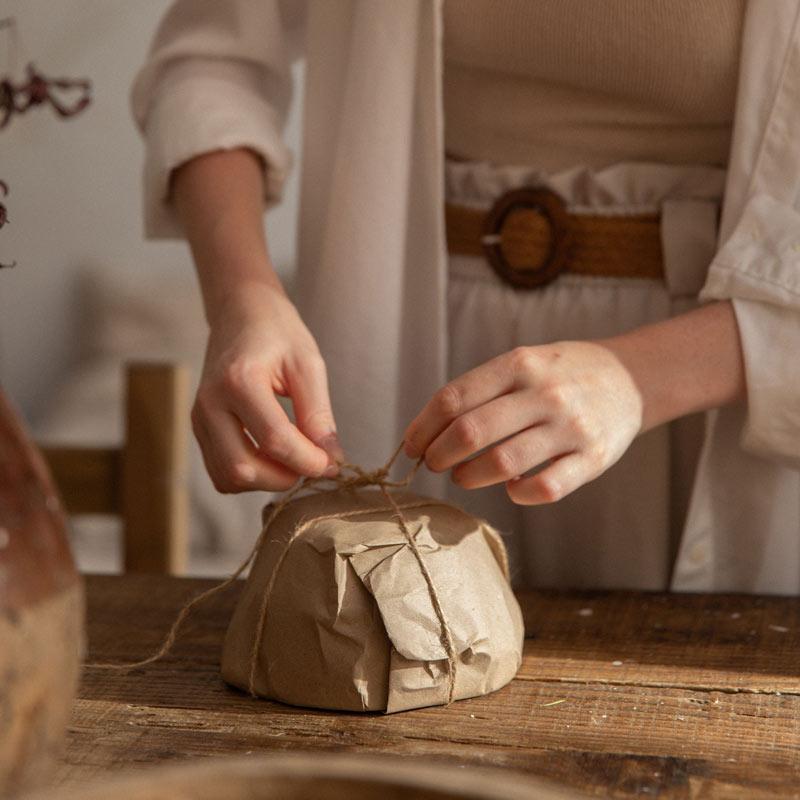
Handmade plates give a restaurant real character, but they behave differently from factory sets. Here is what to weigh up before you commit.
There is something about eating off a plate that someone shaped by hand. No two are quite alike, the glaze pools in unexpected places and the food looks like it has a story. For the right restaurant, handmade ceramic plates can become part of the identity. They also come with trade-offs that are worth understanding before you place a big order.
What "handmade" really means
The word covers a lot of ground. Some plates are thrown on a wheel, others are pressed in moulds and finished by hand, and others are fully hand-built. Ask any maker which process they use. It affects consistency, speed and price, and it is the honest starting point for any conversation about handmade dinner plates.
The benefits
Character you cannot copy
Slight variations in shape and glaze make every table feel individual. Guests notice, and they photograph it.
A story to tell
Menus, staff and social media can all share where the plates come from. That story is valuable, especially for independent restaurants and cafés.
Suits many cuisines
Earthy colours and organic edges work with seasonal, produce-led menus, bakeries and casual dining. Pair them with our thinking on rustic stoneware dinnerware.
The trade-offs
- Consistency: sizes and weights vary a little. Your kitchen needs to be comfortable with that.
- Stacking and storage: irregular rims may stack less neatly.
- Lead times: handmade work usually takes longer than catalogue items, so plan ahead.
- Replacement: matching a broken piece months later can be harder.
- Cost: expect a higher price per piece than machine-made equivalents.
Questions to ask before you order
- How are the plates made, and how much variation should we expect?
- Are they suitable for commercial dishwashing and daily service?
- What is the lead time, and how are repeat orders handled?
- Can we see a sample batch, not just a showpiece?
- How are glazes tested and finished?
A balanced approach
Many venues blend the two. They use a dependable, plain plate for volume and add a few handmade pieces for signature dishes or the chef's table. That keeps operations smooth while still giving guests something memorable. For that dependable plain plate, browse our bone china collections.
Handmade, hand-finished or machine-made?
These terms get blurred in marketing, so it is worth being clear. Handmade usually means shaped by hand or on a wheel. Hand-finished often means a mould or machine did the main shaping, with people finishing, glazing or decorating by hand. Machine-made means the shaping is automated. None of these is automatically better; they simply give different levels of uniformity, speed and price. Asking which one you are buying helps you set realistic expectations.
Matching handmade plates to your cuisine
Produce-led and seasonal menus
Earthy glazes and soft edges frame vegetables, grains and breads beautifully.
Bakeries and brunch spots
Warm tones and textured finishes feel welcoming, and slight variation adds charm to a table of shared plates.
Modern tasting menus
A few carefully chosen handmade pieces can serve as a counterpoint to otherwise precise plating. Used sparingly, they feel intentional rather than rustic.
Budgeting for handmade work
- Expect a higher price per piece than for standard ranges, and weigh it against the character you gain.
- Plan for longer lead times, and order before you need the stock.
- Include spares in your first order, as exact replacements can be harder to match later.
- Consider handmade for signature dishes and a plain range for volume.
Looking after handmade pieces
Ask the maker for written care guidance covering dishwashing, heat and cutlery contact. Glaze types differ, and what is fine for one product may not suit another. Share the guidance with the team so everyone handles the plates the same way.
Frequently asked questions
Are handmade plates practical for a busy restaurant?
They can be, provided the range is made for commercial use and you plan for spares. Always test before a full order.
Can I get handmade pottery dishes in matching sets?
Often yes, within the natural variation of handmade work. See our guide to handmade pottery dinnerware sets.
Do handmade plates chip more easily?
It depends on the clay, glaze and construction rather than on the word "handmade". Ask the maker about suitability for daily commercial use and test a sample batch.
How do I keep handmade plates looking their best?
Follow the maker's care instructions, avoid stacking too high and train staff to handle them gently. A little care extends their life considerably.
Planning your table? Tell us about your venue and we will talk through the options.