Materials & Types
What Is Fine Bone China? A Plain-English Guide for Restaurants
By GALA Ceramics Team · · Updated 25 November 2026
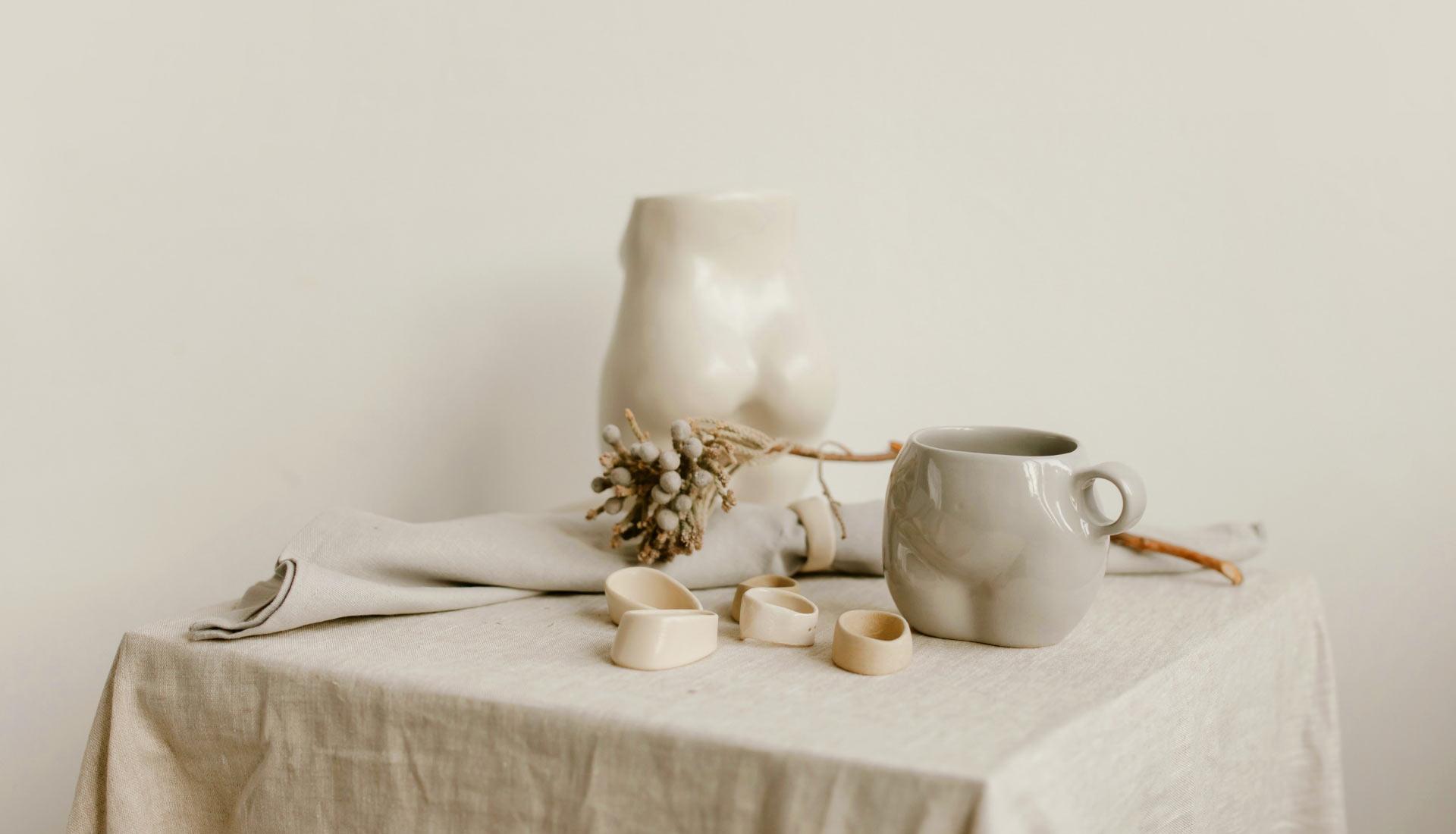
Fine bone china has a reputation for elegance, but what does the term actually mean? A clear explanation for restaurant and hotel buyers.
You will see "fine bone china" on hotel menus and in supplier catalogues, sometimes spelled "finebone china" in searches. It sounds grand, but the idea behind it is fairly simple. Let us break it down so you can decide whether it deserves a place in your restaurant.
So what is it?
Fine bone china is a type of ceramic that includes bone ash in the clay mixture, alongside the usual ingredients. That ingredient is what gives the material its characteristic appearance: a very white body that can look slightly translucent when held to the light. The exact recipe varies between makers, which is why it is always worth asking a supplier what their "bone china" really contains.
Why people like it
A delicate look
Bone china can be made thin and light while still feeling substantial in the hand. On a fine dining table, that lightness reads as refinement.
A bright white
The colour tends to be clean and bright, which makes food colours stand out. That is one reason you will see it on formal tables and in hotel dining rooms.
Resilience for its weight
Many buyers choose it because a thin piece can be surprisingly resilient to chips. This depends heavily on how a particular range is made, so test samples rather than assuming.
Where it may not be the best fit
- High-volume casual service: if plates are stacked hard and washed constantly, a more robust range may serve you better.
- A rustic concept: a refined, translucent plate can look out of place with a handmade, earthy menu. Rustic stoneware usually suits that better.
- Tight budgets: bone china is often priced above standard porcelain, so it makes sense where the look genuinely adds value.
Bone china versus porcelain
FeatureFine bone chinaPorcelain Typical lookVery white, delicate, can appear translucentSmooth, clean, available in many shapes and whites WeightOften lighter for the same strengthUsually a little heavier Common useFine dining, hotels, formal tablesEveryday restaurant service across the board PriceFrequently higherOften more flexibleBoth can be excellent. The right answer depends on your venue, your volume and your style. We compare all three materials in fine bone china, porcelain or stoneware?
How to judge a bone china plate
- Hold it to a light: translucency is a sign of a thin, well-made body.
- Run a finger around the rim and foot for rough spots.
- Stack a few and check they sit evenly.
- Ask about suitability for commercial dishwashing.
Common myths about bone china
"It must be fragile"
The word "bone" makes some people expect brittleness, but a well-made piece can be surprisingly resilient for its thickness. That said, no ceramic is unbreakable, and quality varies. The safest approach is to test samples in your own kitchen rather than trust assumptions either way.
"It is only for formal dining"
Bone china has a formal reputation, yet its light weight and bright finish appeal to many modern venues, including contemporary cafés that want a refined, airy feel. The choice is about the look you want, not a rule about venue type.
"All bone china is the same"
Recipes, firing and finishing differ between makers, so two products with the same label can look and perform differently. This is why it pays to compare real samples side by side.
Care and handling basics
Always follow the maker's written care guidance, especially for commercial dishwashing, metallic decoration and temperature changes. As a general habit, avoid stacking too many pieces, avoid knocking rims together and let staff know that thin pieces deserve a little extra care at the sink. Small habits reduce chips more than any single material choice.
Is bone china worth the price?
Bone china is often priced higher than standard porcelain. Whether it pays off depends on how much the look matters to your concept. In a fine dining room where the table is part of the experience, many operators find it justified. In a high-volume lunch spot where plates are replaced often, a more economical range may serve you better. Compare the cost over the plate's working life, not just the price on day one.
Frequently asked questions
Is "finebone china" the same as fine bone china?
Yes. People often type it as one word. The standard term is fine bone china.
Is it suitable for restaurants?
Many venues use it, especially at the fine dining end. Check the specific range for commercial use and ask for samples.
Why is bone china often more expensive?
The ingredients and the manufacturing process can be more demanding, which is usually reflected in the price. Costs vary by maker, so compare quotes.
Can bone china be custom decorated?
Often yes, including logos and patterns. Ask your supplier what is possible on a specific range. See also our custom options.
Curious whether it suits your venue? Take a look at our bone china collections or ask our team about your project.