Custom & Branded Plates
Custom Porcelain Plates vs Custom Ceramic Plates: What Is the Difference?
By GALA Ceramics Team · · Updated 25 November 2026
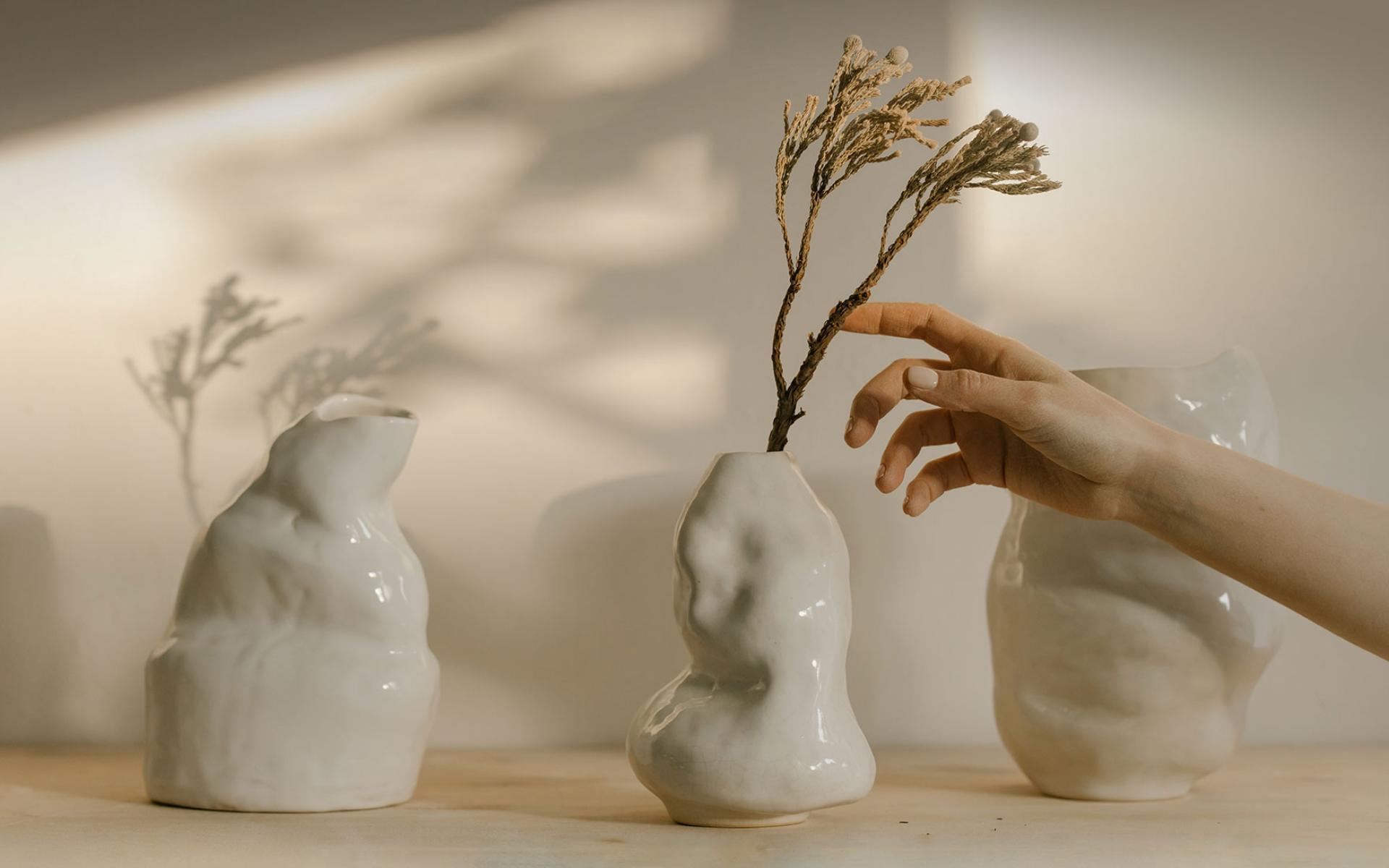
The terms get mixed up constantly. A clear explanation of custom porcelain and custom ceramic plates, and how to choose between them.
If you are planning a custom project, you will hear both "custom ceramic plates" and "custom porcelain plates". They sound interchangeable, and in everyday talk they often are. But the difference is useful to understand, because it affects the look, the feel and the options you have.
First, the terminology
Ceramic is the broad family. It includes porcelain, bone china, stoneware and earthenware. So porcelain is a ceramic, but not every ceramic is porcelain. When someone says "custom ceramic plates", they are describing the category. When they say "custom porcelain plates", they are naming a specific material.
What porcelain brings to a custom project
- A smooth, clean surface that suits detailed designs and logos.
- Precise shapes and crisp edges for modern, structured pieces.
- A bright, consistent white that makes colours look vivid.
It is a popular base for printed and branded work. Read more in our porcelain guide.
What other ceramics offer
Stoneware
Earthy and tactile, with glazes that often vary. Ideal for a handmade, rustic look. See rustic stoneware.
Fine bone china
Delicate, light and refined, suited to formal dining. See what fine bone china is.
Earthenware
Warm and colourful, often decorative. Check durability for commercial service.
How to choose
If you wantConsider A crisp white canvas for logos and patternsPorcelain A handmade, earthy feelStoneware A delicate, formal lookFine bone china A bold colour storyAsk about glazes across materialsQuestions for your supplier
- Which materials do you offer for custom work?
- Which decoration methods work best on each material?
- What are the minimum quantities for each option?
- How do the finished plates behave in commercial dishwashers?
- Can I see samples of the materials side by side?
Think about the entire experience
Material is one decision among several. Shape, size and finish matter equally. A good approach is to define the experience you want guests to have, then pick the material that supports it. For a wider overview, see custom plates for restaurants and how the printing process works.
How shape and finish change the equation
Material is only one factor. A porcelain plate with a matt glaze feels very different from the same plate in gloss. A stoneware plate with a speckled glaze feels different from one with a smooth glaze. When you plan a custom project, discuss shape, size, glaze and decoration together rather than in isolation. They all influence cost, timing and the final look.
Which custom route suits which venue?
A brand-led café
Porcelain with a simple printed mark gives a crisp, consistent result across many pieces.
A farm-to-table restaurant
Stoneware with a distinctive glaze and a small impressed or printed mark feels authentic.
A hotel restaurant
Porcelain or bone china with a refined rim detail suits formal interiors and large volumes.
Planning your project
- Decide the feel you want guests to have.
- Pick one or two materials to compare.
- Ask for samples with your artwork or glaze.
- Confirm quantities, lead times and care guidance.
- Approve in writing before production.
What to bring to your first conversation
A good first conversation saves weeks. Bring photos of tableware you like, your logo and colour references, a short description of your menu and the number of covers you serve. Mention whether you need a custom shape, custom decoration or both, and share your timeline. The more you can say about how the plates will be used, the easier it is for a supplier to recommend a material, a decoration method and a realistic plan.
If you are still comparing options, our guide to custom plates for restaurants walks through the whole process from brief to delivery.
Frequently asked questions
Are custom porcelain plates more expensive than other ceramics?
It varies by technique, quantity and complexity. Your quote will show the details.
Can I mix materials in one set?
Yes, but test them side by side so colours and finishes feel intentional.
Is porcelain better for custom printing?
It is a popular choice because of its smooth, bright surface. Other materials can also be customised, depending on the technique.
Can I switch material after approving a design?
A change of material can affect colour and shape, so it usually means new samples. Decide on material early.
Start your project with a custom enquiry or browse custom and branded plates.